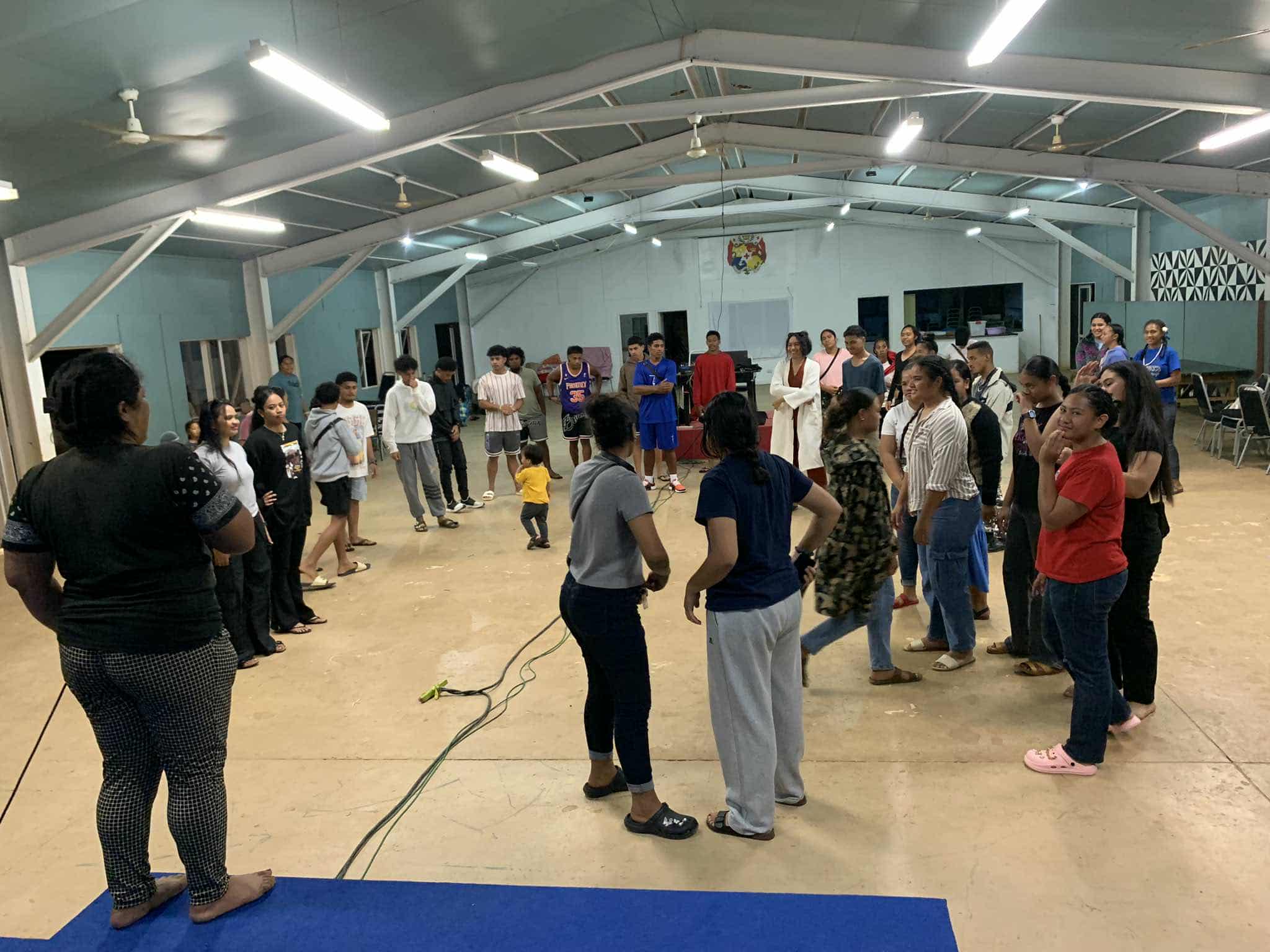

True transformation doesn’t happen by willpower alone—it requires God’s power, proven change psychology, and community support. In Commitment & Change, we blend Scripture with peer-reviewed research and simple daily rhythms so you can surrender old patterns and build lasting habits in Christ.
Everyone realizes why a new common language would be desirable: one could understand & communicate. To achieve this, it would be necessary to have uniform grammar, pronunciation and more common words. Their separate existence is a myth.
Biblical Foundation for Transformation
“Put off your old self…and be renewed in the spirit of your minds, and put on the new self.”
Ephesians 4:22–24 (ESV) Tweet
Key Scriptures:
James 1:22 – reminds us to be “doers of the word, and not hearers only” (ESV), highlighting that obedience is essential to transformation. Obedience brings transformation.
Proverbs 16:3 – “Commit your work to the LORD, and your plans will be established” (ESV). That is the key. If you want firm footing, commit
Theistic Accountability
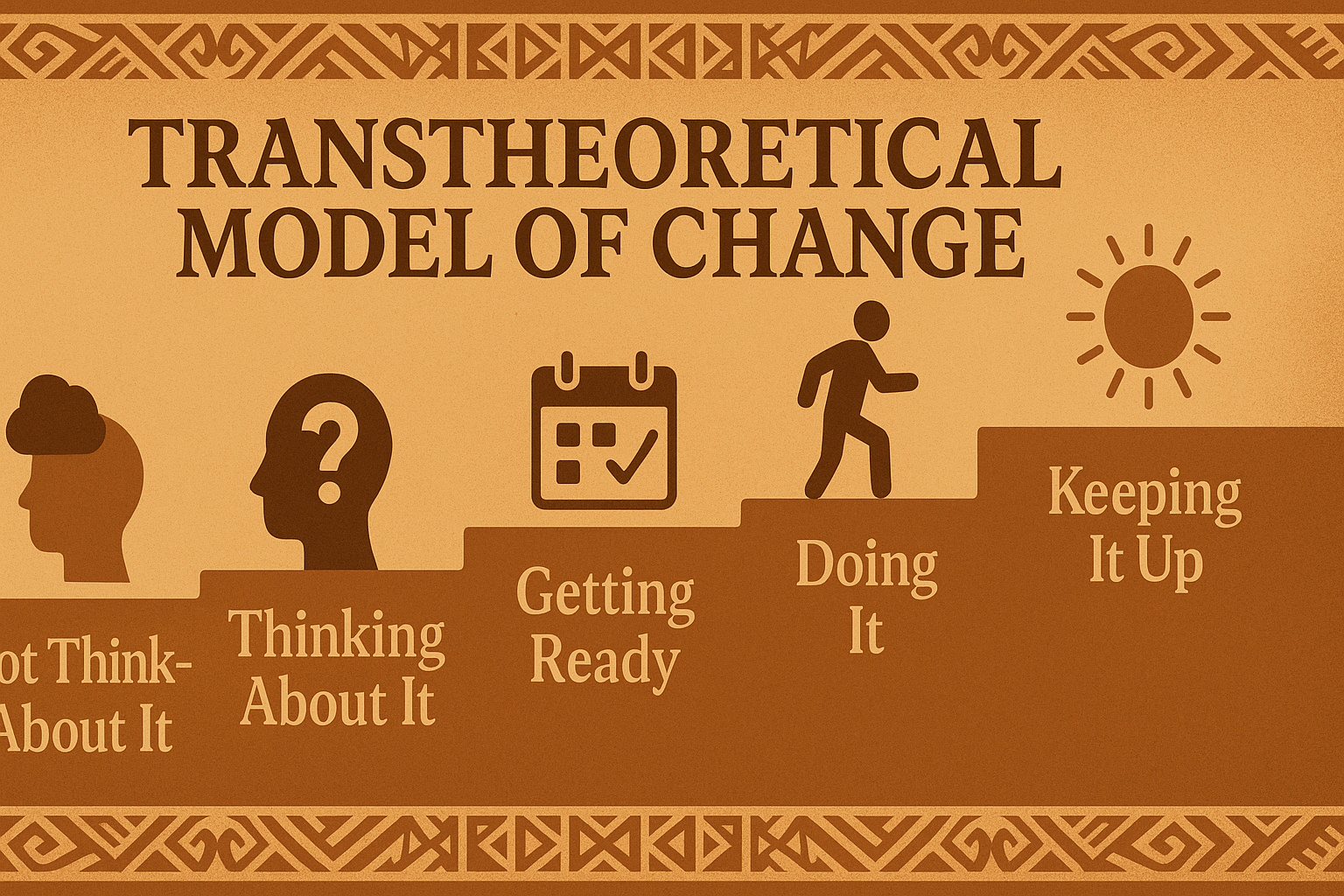
The Transtheoretical Model of Change (TTM)
When we hold ourselves accountable not just to people, but to God Himself, our sense of purpose and follow-through deepens:
A national study by Baylor University found that believers who embrace accountability to God report significantly higher levels of mattering, dignity, and meaning in life—three key dimensions linked to motivation and persistence news.web.baylor.edu.
Analysis of U.S. survey data (n = 1,251) showed that accountability to God correlates positively with psychological well-being, and that prayer moderates these effects—strengthening our resolve to follow through on commitments pubmed.ncbi.nlm.nih.gov.
-
Application: Begin goal sessions with Psalm 139:23–24 (“Search me, O God…”), inviting God’s filter on motives.
Declare Your Pledge
Write down your most important spiritual goal and pray Proverbs 16:3 over it:
“Commit your work to the LORD, and your plans will be established.”
This public declaration to God cements your intention and invites His power from the very start.
Map Your Stage
Identify where you are in the Transtheoretical Model—Precontemplation, Contemplation, Preparation, Action, or Maintenance.
Form Your Prayer Circle
Invite 3–5 trusted friends or family into your Circle of Commitment.
Meet weekly—share wins, confess struggles, and pray Philippians 1:6 over one another (“He who began a good work in you will bring it to completion…”).
Anchor in Prayer
Establish three simple daily prayer rhythms:
Morning Surrender (Lamentations 3:22–23)
Midday Breath (Psalm 46:10)
Evening Reflection (1 Thessalonians 5:17)
These short moments keep you connected to God’s strength throughout the day.
Celebrate, Adjust, Keep Going
In your weekly meeting, cheer for your wins, talk honestly about challenges, confessing setbacks, but constantly thanking God, and then set your next small goal.
Practical Tips for Staying Economical & Spiritually Aligned
DIY Prayer Journal: Use a simple notebook rather than expensive planners.
Bulk Meal Preps: Cook large batches of Daniel-style soups or stews and freeze portions.
Group Potluck: Rotate who brings simple produce packs to your Circle gatherings.
Free Resources: Stream sermons or guided prayer apps (e.g., YouVersion) instead of paid subscriptions.
Nature Walks: Pray outdoors in community parks—zero cost, maximum spiritual refreshment.
Ready to transform your goals into lasting, Spirit-led change?
In “Commitment & Change,” you’ll discover how biblical truths, proven behavior-change models, and the power of a supportive prayer circle come together to help you set meaningful goals, stay accountable, and celebrate real progress—one prayerful step at a time. Dive in and ignite your journey to renewal today!
The Transtheoretical Model of Change
Mapping spiritual growth onto proven behavior-change stages boosts success:
Precontemplation (not yet considering change)
You don’t notice a problem yet or don’t want to change.Contemplation (aware, weighing pros & cons)
You know there’s a problem and you start to think, “Maybe I should change.”Preparation (making concrete plans)
You decide to change. You make a plan, set small goals, and get things ready.Action (active effort to change)
You actually start the new habit. You try it out every day, even if it’s hard.Maintenance (sustaining new habits)
You’ve been doing the new habit for a while. ♻️ Commit to repeating this cycle with gratitude, trusting in God’s power to complete the work He began (Philippians 1:6).
A systematic review in StatPearls outlines how TTM clarifies the path from intention to sustained behavior change ncbi.nlm.nih.gov.
Meta-analytic evidence shows stage-based interventions can increase successful transitions by up to 45–50% compared to “all-or-nothing” approaches researchgate.net.
A recent SagePub study of TTM-based health education found that participants receiving stage-tailored support reported significant gains in self-efficacy and decisional balance, key predictors of long-term change journals.sagepub.com.
Application: Identify your current TTM stage for each spiritual goal (e.g., prayer habits, Scripture memory), then adopt practices matched to that stage.
What are you inviting me into today?
Every morning, God offers us a new invitation. He doesn’t ask for perfection—He asks for our presence. Today, let’s pause and ask: “Lord, what are You inviting me into today?” Then we’ll match His call with five proven phases of growth, so our faith moves forward with clarity and purpose.